The Crew Behind the Crew: Seven UK Set Jobs You Rarely See
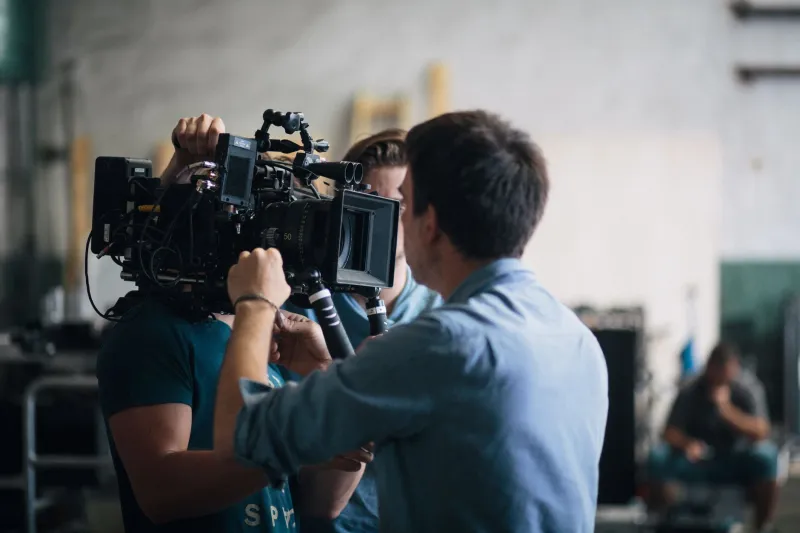
A film set looks like a pyramid of visible roles: director, actors, camera, lights. But the smooth version of a UK shoot depends on a layer of problem-solvers who arrive early, stay late and rarely appear in the credits sequence. As regional production hubs from Cardiff to Glasgow stay busy in 2026, industry bodies such as ScreenSkills and the BFI continue to flag shortages in below-the-line roles. These are not just jobs for people who like equipment. They are careers for people who like solving messy, practical, very human problems.
Here are seven unsung crew jobs that keep UK sets running.
1. Greensman
The greensman is part gardener, part set dresser, part continuity detective. They supply and maintain the plants, hedges, turf, branches and foliage that make a location believable. On a UK shoot, that might mean making a June garden look like October, keeping ivy alive under hot lights, or matching a hedge that was trimmed between shooting blocks.
A common story among greensmen is the autumn-leaf panic: a scene needs fallen leaves, but the trees outside are still green. The answer is often a mix of harvested leaves, dyed materials and careful dressing, matched shot by shot. It looks effortless on screen, which is the point.
Route in: horticulture, landscaping, set dressing or art department runner work. Advice for newcomers: learn plant names, weather tolerance and how to keep foliage alive on a closed set. Regional demand is strong on period dramas and rural productions.
2. Marine coordinator
Any scene involving water — a canal, a beach, a river, a boat — needs someone thinking about safety, tides and weather. The marine coordinator arranges boats, safety cover, risk assessments and communication with local authorities. On a coastal UK shoot, the tide table can become as important as the call sheet.
One regularly told set anecdote involves a carefully planned beach scene that had to shift by two hours because the tide refused to cooperate with the schedule. The marine coordinator had already built in a fallback, so the day was saved before anyone panicked. That is the job: making the water look controlled when it is anything but.
Route in: marine industry experience, safety training, location management or specialist boat work. Advice: get comfortable with risk assessments and local harbour authorities. Coastal regions need people who understand both film and water.
3. Picture double coordinator
Picture doubles, stand-ins and body doubles need to match height, hair, costume and sometimes specific skills. The picture double coordinator finds them, checks availability, manages fittings and schedules them around the lead actor's time. It is a casting job, a logistics job and a diplomacy job in one.
A familiar anecdote is the child double who grew three centimetres between shooting blocks, forcing a quiet rethink of costume and blocking. The coordinator spots the problem early, not on the day. Good ones build a small network of reliable doubles and keep detailed notes.
Route in: casting assistant work, extras coordination, production office experience. Advice: be organised, discreet and good with people. Regional productions often need local doubles who can travel at short notice.
4. Clearance researcher
Every painting on a wall, song on a radio, newspaper headline, shop sign and tattoo can carry rights issues. The clearance researcher tracks down copyright holders, negotiates permissions and documents what can appear on screen. On a UK production, that might mean clearing a pub sign, a mural or a piece of commercial music before the edit locks.
A classic set story is the production that fell in love with a location's wall art, only to discover the artist wanted more than the art budget allowed. The researcher found an alternative before the art department had built the set around it. It is unglamorous work that prevents very expensive problems.
Route in: legal research, archive work, production office or rights and clearances assistant roles. Advice: learn copyright basics and keep meticulous records. It is a strong pathway for detail-minded people outside London.
5. Data wrangler
When the camera stops, the data wrangler starts. They offload cards, create backups, check checksums and log metadata so editorial can find the right take. On a UK set, that might mean managing footage from multiple cameras, handling rushes securely and making sure nothing is deleted before it is verified.
One well-worn anecdote is the card that appears corrupt until a patient data wrangler recovers the files and saves the day. The crew may not applaud, but the editor will. In 2026, with larger files and more formats, the role is more important than ever.
Route in: IT, post-production runner work, camera department assisting or formal data management training. Advice: learn file structures, backup protocols and calm troubleshooting. Regional studios need local talent who can work night shoots.
6. Armourer
On UK productions, firearms and weapons — real or replica — are handled under strict rules. The armourer supplies, secures and supervises them, works with police and safety advisers, and ensures the cast and crew understand what is happening. It is a role built on trust, paperwork and absolute consistency.
A typical set anecdote is the armourer who stops a rushed rehearsal because the safety check has not been completed. Nobody argues for long. The best armourers are quietly firm and deeply experienced.
Route in: military, police, licensed firearms or specialist props experience, plus film safety training. Advice: do not shortcut procedure. This is a role where reputation and legal knowledge matter.
7. Sustainability coordinator
The sustainability coordinator is one of the newer unsung roles on UK sets. They track waste, energy, travel and materials, and help departments make greener choices without slowing production. That might mean arranging recycling, sourcing reusable set materials or measuring a production's carbon footprint.
A familiar anecdote is the coordinator who rescues a skip full of reusable timber because the art department has moved on to the next build. The saving is environmental and financial. In 2026, more UK productions are being asked to report on sustainability, so the role is moving from nice-to-have to practical necessity.
Route in: environmental science, production office work, sustainability training or art department experience. Advice: learn to speak the language of production managers as well as environmental officers. Data and diplomacy both matter.
Why these roles matter to UK production
These jobs are not peripheral. They are the difference between a set that improvises and a set that is prepared. They also offer routes into the industry for people who do not want to be directors or actors, and who may not live near a traditional film hub. Regional production needs local problem-solvers: people who know the coast, the countryside, the council rules and the nearest equipment supplier.
For newcomers, the advice is consistent: start as a runner or assistant, ask questions, learn the safety basics and build a reputation for reliability. The credits may be small. The contribution is not. Wilson Worldwide will keep looking at the crew behind the crew, because that is where much of the real craft of UK production lives.