Borrowed Streets: The Patient Art of the UK Location Manager
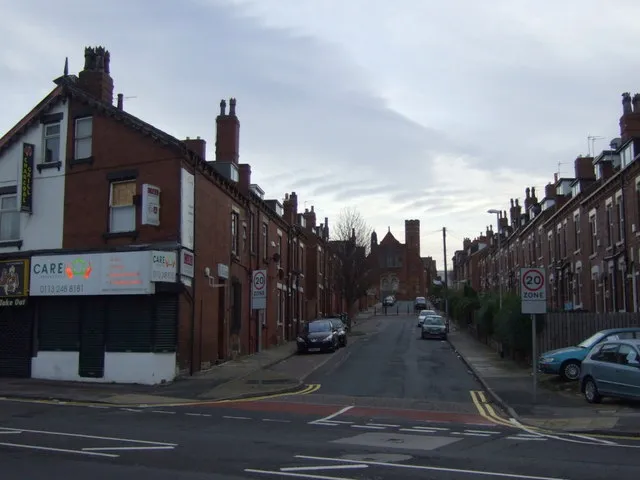
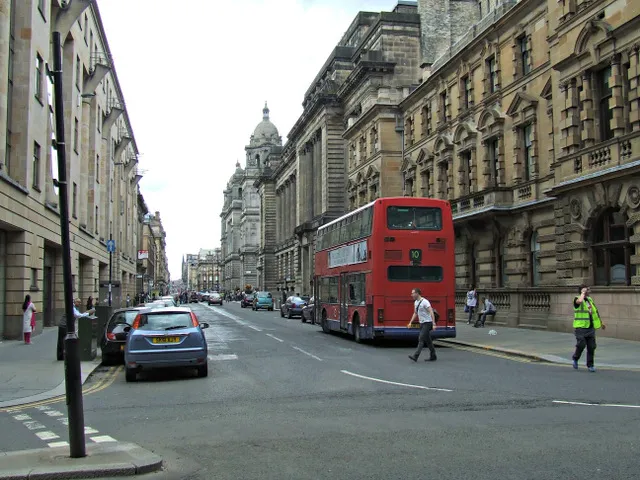
Photo: JThomas , CC BY-SA 2.0, via Wikimedia Commons
The first knock is never about the film
On a damp Tuesday morning in October 2026, a location manager named Priya stands on a doorstep in a West Yorkshire town and does not mention the cameras. She asks about the hedge. She asks whether the bins go out on a Thursday. She asks if the couple inside have lived on the street long. Only after ten minutes of weather and wheelie-bin diplomacy does she say the words “filming unit”.
This is the job, or at least the version of it that rarely reaches the call sheet. By the time a production arrives on a terraced road, a corner shop or a village green, the location manager has already spent weeks turning a script’s wish list into a set of permissions, fees, letters and favours. The location is not “found”. It is borrowed, and borrowing has terms.
The production in question is a six-part drama shooting across Yorkshire and Greater Manchester this autumn. Its script calls for a 1980s street that has somehow survived into the present, a shop that still sells loose sweets, and a back garden big enough for a tense family barbecue. The art department can dress a set. The location manager has to persuade a real street to let them.
Paperwork is the easy part
Ask anyone in the trade and they will tell you the same thing: the licence is the simple bit. A council film office will issue a road closure, a parking suspension, a traffic regulation order. There are forms, insurance certificates, risk assessments, a fee schedule. It is bureaucratic, but it is knowable.
The difficult part is the human geography. A street is not a blank stage. It is a place where someone has a hospital appointment on Wednesday, where a plasterer parks his van in the same spot every night, where a toddler naps from one until three. The location manager’s first recce is less about sightlines and more about listening.
Priya carries a notebook with two columns: “Script needs” and “Street needs”. The script wants a clear view down the road for a chase. The street needs its recycling collected. The script wants a shop front repainted. The shopkeeper needs to keep trading. The negotiation starts there, somewhere between the two columns, and it is rarely resolved in one conversation.
The neighbour problem
Every location manager has a story about the one resident who says no. Sometimes it is a genuine objection — a night shoot outside a bedroom window, a generator humming through a wedding anniversary. Sometimes it is a suspicion of anything with a clipboard and a hi-vis jacket. Either way, the answer is not to bulldoze through it. The answer is to find the version of the shoot that the street can live with.
On this production, one homeowner initially refused to allow a camera crew into her front garden. The scene needed a character to look through a window from across the road. The location manager did not push. She came back a week later with a revised plan: no crew in the garden, a long lens from the pavement, a two-hour window while the resident was at work. The homeowner said yes. The shot still works.
That is the quiet skill of the job — not winning arguments, but redesigning the problem until it fits. “You are a diplomat with a call sheet,” Priya says. “You are not there to make everyone happy. You are there to make the day possible without making anyone’s life worse.”
When the street says yes
The morning of the shoot has a strange atmosphere, like a street party that has gone slightly wrong. Trucks line the road. A unit base has taken over a car park two streets away. A runner is handing out letters that explain, again, what is happening and when the road will reopen. Half the neighbours are watching from behind curtains. The other half are outside, asking if they can be extras.
This is where local goodwill becomes a practical resource. A resident lets the crew use her loo. The corner shop stays open an hour later so the art department can buy genuine period packaging. Someone’s uncle turns up with a vintage car because he heard they needed one. None of this is in the budget. All of it is in the location manager’s phone contacts by lunchtime.
The production pays for what it uses — a location fee, a disturbance payment, a donation to the local school fund — but the currency is not only money. It is courtesy. The crew stack their crates neatly. They do not block the pavement. They say thank you to the woman who moved her car. Small things, repeated, are what make a second visit possible.
Leaving it as you found it
The last scene wraps at dusk. The street is still standing, but it is not unchanged. There is a muddy patch where the generator sat. A lamp post has a strip of gaffer tape around it. The location manager walks the road with the first assistant director and a bin bag, checking each doorstep against a list made three weeks earlier.
By the next morning, the road is back. The parking suspension signs are down. The shop has its normal awning. The resident with the hospital appointment has her space back. Nobody claps. Nobody needs to. The location manager is already on the phone about the next recce — a village green, a bus stop, a stretch of coast path that needs to look like Cornwall but sits conveniently near a motorway junction.
It is not glamorous work. It is knocking on doors, reading council websites, drawing little maps and remembering that a street is not a location. It is a place where people live. The best location managers know the difference, and they know that the film is only ever a guest.