Tea, Sandpaper and Time: The Quiet Alchemy of British Costume Breakdown
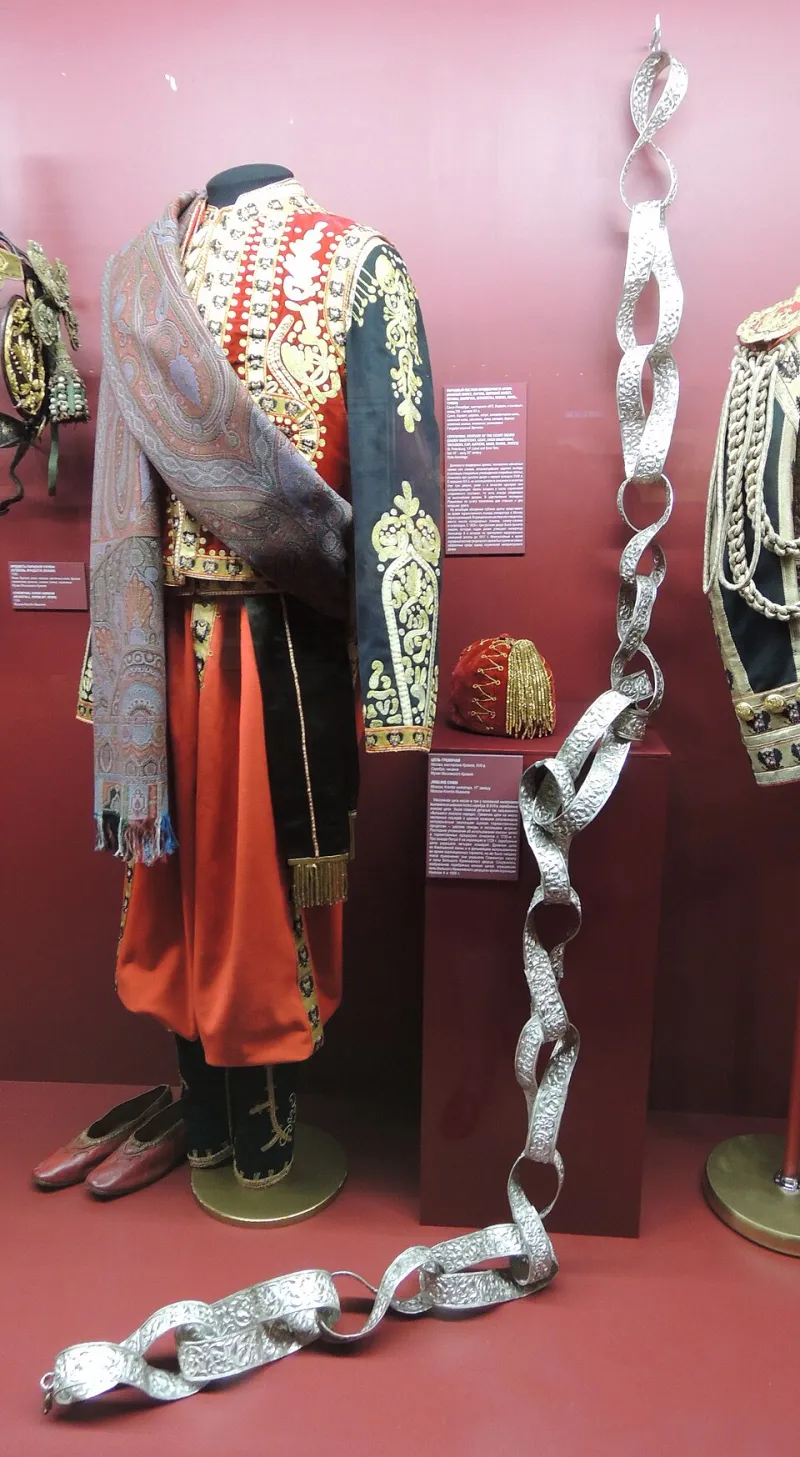
Photo: Shakko, CC BY-SA 4.0, via Wikimedia Commons
There is a particular smell to a breakdown room. Wet wool, cold tea, a hint of vinegar, and underneath it all the clean, slightly synthetic tang of garments that have never been worn by anyone. On a grey Tuesday in November, half a dozen of them are hanging on a rail in a converted joinery in north London, and every one of them is about to be destroyed in a very controlled way.
"People think it's ageing," says Nadia Okonjo, a costume supervisor who has spent nineteen years in and around British crews. "It isn't really. Ageing is what happens to clothes. Breakdown is what happens to a story. We're not making a shirt look old — we're making it look like this person's shirt."
That distinction runs through everything in the room.
The Read-Through Is Where the Wear Begins
The work doesn't start with a kettle. It starts with a script and a conversation. Long before a single garment is dyed, breakdown artists sit down with the costume designer and, ideally, the actor, working backwards from the character's life to the state of their wardrobe.
Where did this coat come from? Was it bought new, inherited, or lifted from a lost-property bin? How many winters has it seen? Is the wear concentrated at the seat, the cuffs, the collarbone? A dock worker and a barrister might own the same brand of overcoat; they will not own the same overcoat.
"You build a wear map," says Fergus Blythe, a dyer and breakdown specialist who splits his time between London and a workshop in Cardiff. "Literally a drawing of the garment with the hot spots marked. Then you decide how far you're going. A drama set over a weekend needs almost nothing — a bit of softening, a bit of shadow in the creases. A story that spans a decade and shoots out of order is a completely different animal."
That last part matters more than most viewers would guess. Because of scheduling, a garment's supposed history is often the reverse of the order it's made in. The hero version — the one the character wears for most of the story — gets made second or third, once everyone has seen how the earlier and later states read on camera.
Four Kettles and a Cheese Grater: The Toolkit
On the bench today: a cheese grater, a scalpel, a stack of sandpaper in four grades, a spray bottle of dilute vinegar, and a tea urn that looks like it has been requisitioned from a church hall.
The grater is for softening. Dragging a fine-toothed edge along the surface of a heavy cotton breaks the fibres just enough that it catches the light differently — the way a genuinely worn fabric does. Sandpaper does the same job on heavier stuff. A scalpel handles the edges: collar points, pocket mouths, the hem of a cuff, all the places a hand or a table has been catching for years.
Tea does the colour. Strong, cold, applied by brush or spray, it takes the newness out of whites and pale cottons and adds the faint amber tide-marks that real wear leaves behind. Coffee does much the same thing but leans warmer; overdyeing with a weak solution of the base colour gives you depth that no surface treatment can fake. Dyeing is also the honest way to handle an entire cast of extras — nobody wants to hand-distress forty wools in a week.
Then there is the repair work, which is where the craft gets interesting. Rips are easy; tears that look like they happened to this character, in this place, at this point in their life, are not. A costume breakdown artist will deliberately unpick a seam and re-stitch it badly, or patch an elbow with fabric from the same dye bath so the mend reads as old rather than improvised.
"The golden rule," Blythe says, "is that nothing should look like it was designed. The moment a viewer notices the distressing, we've failed."
Continuity Is the Cruellest Client
The romance of the job is in the dye pot. The reality is in the continuity book.
Every treated garment gets photographed from multiple angles and written up in detail — dilution ratios, which sandpaper, which day, which pair of hands. Because reshoots happen. Pickups happen. A scene shot in March that gets re-staged in September needs a jacket that matches frame for frame, and "we'll do it the same way again" is not a plan when the same tea, the same water and the same batch of fabric may no longer exist.
Some houses now hold back a small quantity of the base fabric and the exact dye solution as an insurance policy. Others simply build in a buffer: make the hero, then make a closely matched double at the same time, and treat them in the same session. It costs more up front and saves a scramble later.
"The hardest calls are the delicates," Okonjo says. "Silk, vintage lace, anything on loan from a house archive. You can't sand silk. You can barely breathe on it. So you cheat — you back it, you shadow it with a light wash, you use the camera as your ally and hope nobody asks for a close-up in 4K."
Period Correct, Planet Minded
The sustainability question has changed the shape of the department over the last few years. Breakdown is, almost by accident, one of the greener corners of the industry: the whole discipline is about extending the life of a garment rather than replacing it. A distressed shirt from a 2018 production can be stripped, redyed and re-aged for a different decade. Hire houses such as the well-known London costumiers — and the regional racks in Manchester, Glasgow and Leeds — have long relied on that cycle.
The limit is authenticity. Some period pieces need fabrics that simply cannot be sourced responsibly in quantity, and there is a genuine tension between the archivist's eye and the producer's carbon ledger. Dyers increasingly work with plant-based and low-impact dyes for anything that will be seen in daylight, keeping the harsher chemistry for close-ups where it matters.
The Close-Up Test
Back on the bench, the shirt is done. It has been softened, stained, sun-faded at the shoulders and given a small, deliberate repair at the left cuff. Under the workshop's strip lights it looks like nothing at all. Slightly grubby, perhaps. The kind of garment nobody would notice.
Then someone switches on a monitor, and a camera operator's test clip from the day before is loaded up — an actor in the same shirt, same angle, a face filling a third of the frame. The fabric now reads. It has gravity. You can see where a shoulder bag would have hung, where a collar has been turned and turned again.
That is the trick of it. Costume breakdown is invisible craft in the most literal sense: the only measure of success is that no one in the audience ever thinks about it at all.
"We're the department that gets noticed when the film's already in trouble," Okonjo says, laughing. "Otherwise we get a nod in the credits and a text from our mum. Which is honestly enough."