Punchline Surgery: The Quiet Editors Who Shape British Comedy
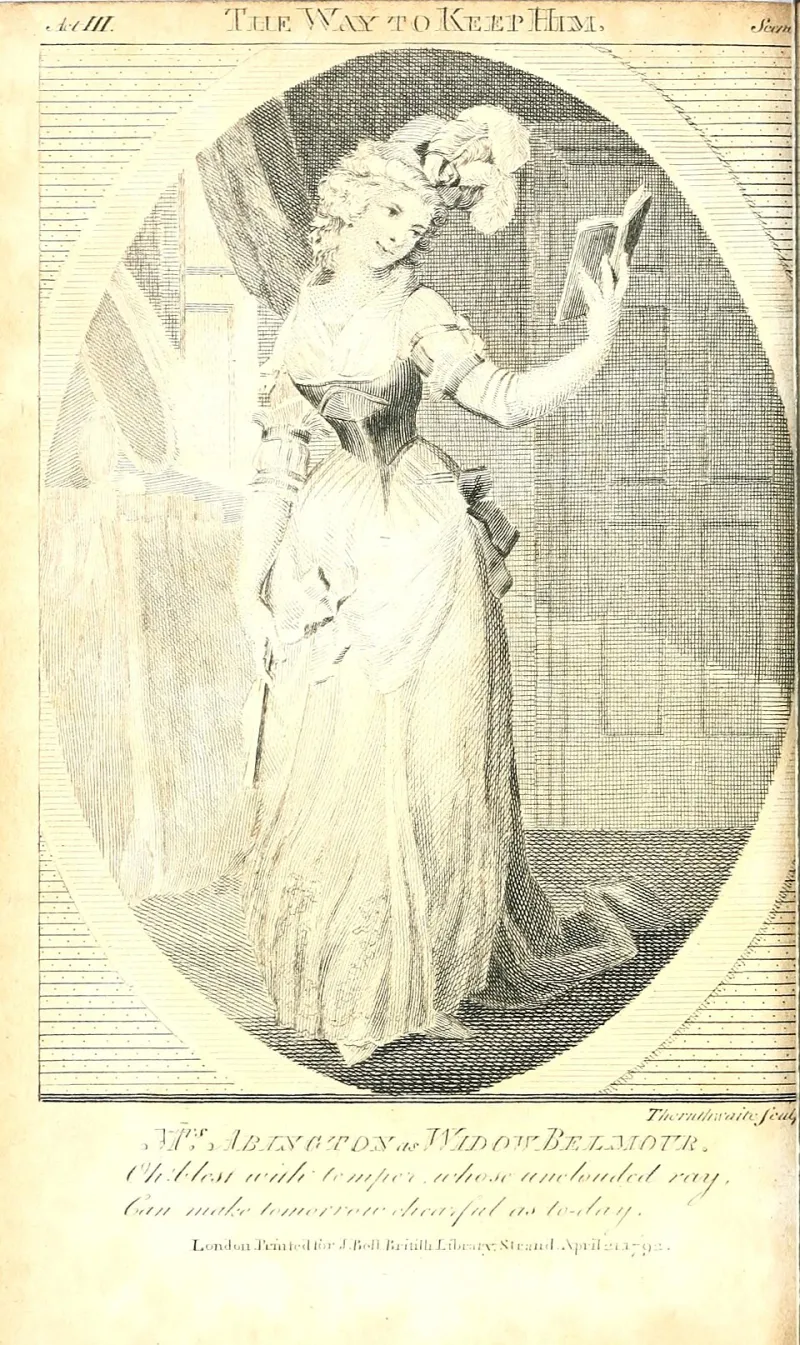
Photo: Internet Archive Book Images, No restrictions, via Wikimedia Commons
British comedy has a habit of looking effortless. A sitcom lands a runner in episode three that pays off in episode six; a panel show seems to be held together by nothing more than a host’s raised eyebrow. The truth is messier, and it usually involves a script editor with a highlighter, a stopwatch and a very good poker face.
Script editors are the invisible collaborators of UK comedy. They are not the writer, though they often write. They are not the producer, though they often protect the budget. They sit between the page and the shoot, asking the questions that make a funny draft funnier — or, just as often, make a funny draft shootable. In 2026, as commissioners order fewer, bolder comedies and budgets stay tight, that role is doing more heavy lifting than ever.
The first reader in the room
For a sitcom, the job starts early. A script editor might be brought in at treatment stage, or after the first draft, or — in the case of a returning series — before a story arc has been pinned down. They are the first audience and the last line of defence. They read for laughs, but they also read for character, pace, cost and continuity. A joke that kills in a read-through but needs a night shoot on the Thames is not necessarily a joke that survives.
The editors I spoke to for this piece, all of whom asked to keep their current shows under wraps, describe the same rhythm. First comes the diagnostic read: where does the energy drop? Which character is carrying too much exposition? Which runner has been explained rather than earned? Then comes the room work. Story beats get broken, scenes get rebuilt, and lines get tested out loud. ‘The first pass is never about the joke,’ one editor says. ‘It’s about whether the episode stands up without the jokes. If it doesn’t, no amount of punch-up will save it.’
Punchlines are a system, not a sprinkle
Good comedy editing is not about adding gags. It is about structure. A joke has a setup, a turn and a tag; a scene has a straight man and a comic; a series has runners and callbacks. Editors look for the line that is doing two jobs — revealing character and getting a laugh — and cut the one that is only doing one. They know when a pause is funnier than a line, and when a reaction shot is doing more work than a rewrite.
That is especially true in studio sitcoms, where the audience is part of the sound mix. A line that reads well on the page can die in front of 300 people, and an editor has to hear that before the recording. They also have to think about the edit after the shoot: the act-outs, the tag scenes, the little visual jokes that will land in the grade. The script is not finished when the writer types ‘The End’. It is finished when the editor, the producer and the director agree that it can survive contact with a crew.
Protecting the voice, and the budget
The best script editors describe their job as making the writer sound more like themselves. That means pushing back on notes that would sand down a distinctive voice, while also accepting that a joke about a local council bin collection may not travel beyond the M25. It means knowing which battle to fight in the development meeting and which one to lose quietly in the draft.
It also means being practical. UK comedy is made at every scale, from a BBC studio sitcom to a low-budget digital short for a broadcaster’s youth strand. A script editor has to know what a location will cost, what a cast can deliver, and what a compliance team will flag. Legal and compliance are part of the craft now: archive rights, music clearances, Ofcom questions, and the difference between a joke that is edgy and a joke that is actionable. The editor is often the person who spots the problem while it is still a line on a page rather than a rushes log.
The panel-show exception
Panel shows are a different beast. The grammar of a show like Have I Got News for You or Would I Lie to You? is closer to editing than writing: the round, the anecdote, the buzzer, the host’s turn. Script editors on panel shows work with a bank of possible questions, intros and running gags, then cut against the studio record. Their job is to find the funny in the room and then build a shape around it. It is less about polishing a draft and more about assembling a puzzle from material that did not exist until the cameras rolled.
What makes a good comedy script editor
The job needs taste, diplomacy and stamina. You have to be able to say ‘this isn’t funny yet’ without making a writer feel like the problem. You have to be able to hear a producer’s note and translate it into a creative question rather than a command. You have to be willing to be disliked for an afternoon if it means the show is better by Friday.
And you have to be invisible. The credit may be small, but the work is in every tightened scene and every saved runner. British comedy has always been a collaborative art form dressed up as a solo voice. The script editor is the person holding the door open between the two. In 2026, with more shows chasing fewer slots, that quiet craft is not a luxury. It is the mechanics of the joke.