The Cut That Sells the Film: Inside Britain's Trailer Boutiques
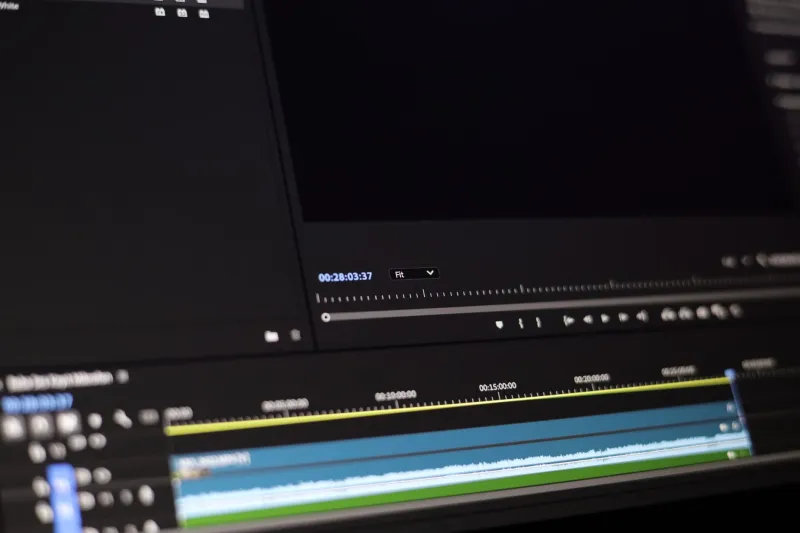
A trailer is not a highlights reel. It is a short film with a single job: make someone want to buy a ticket without telling them the whole story. In the UK, that job often falls to a handful of boutique trailer houses, where editors and sound designers shape a film's first impression months before release.
The work starts long before the campaign is public. A distributor or sales agent arrives with footage, a release date, a target audience and a set of anxieties. The film may not be locked. The visual effects may be unfinished. The music may be temporary. The trailer has to sell a feeling that does not yet fully exist.
The brief arrives before the footage
'People think we sit down and cut the best bits,' says one London trailer editor. 'It is much more strategic than that. You are translating a two-hour experience into 90 seconds without lying.'
The brief usually covers tone, audience, platform and the film's unique selling point. Is it a thriller with a twist? A warm British comedy? A festival title that needs to feel bigger than its budget? The trailer house has to find the emotional promise and build a structure around it.
Distributors want clarity. Filmmakers want mystery. The trailer editor works in the space between. A good cut can make a small film feel event-sized. A bad one can make a good film look generic.
Building the first 90 seconds
Most cinema trailers follow a rhythm: an opening image, a world, a turn, a montage, a button. The best ones disguise the machinery. They feel like a scene, not a sales pitch.
Editors talk about 'the turn' — the moment the trailer changes gear. It might be a line of dialogue, a music cue, a cut to black or a single image that reframes everything. The turn is where curiosity becomes need.
Sound does half the work. UK trailer houses often use bespoke sound design rather than library tracks alone: low-end impacts, reversed risers, a sudden silence before the title card. The right sound can make an ordinary shot feel ominous or euphoric.
'You are editing with sound from day one,' the editor says. 'A cut that feels flat in silence can come alive with one hit. And sometimes the bravest choice is no music at all.'
Vertical cuts and the social trailer
In 2026, the trailer is not one asset. It is a family of assets. A cinema trailer may run two minutes. A broadcast spot might be 30 seconds. Social platforms want 15-second cuts, 6-second bumpers and vertical 9:16 versions built for sound-off viewing.
The grammar changes with the format. A vertical cut needs faces, movement and text that lands quickly. A 6-second bumper needs one idea. A social trailer may tease a moment rather than tell a story.
This has made trailer houses more like mini marketing studios. Editors cut multiple versions, sound designers build adaptable stems, and producers coordinate approvals across distributors, filmmakers and platform teams. The boutique advantage is speed and taste: a small team can turn around a new cut without losing the thread.
The spoiler problem
Every trailer house has a version of the same argument. How much story is too much story? Distributors want audiences to understand the film. Filmmakers want them to discover it.
The answer is usually testing. Trailer houses screen cuts, watch reactions and adjust. Sometimes the twist stays out. Sometimes the best joke goes in. Sometimes the trailer is better than the film, which is a problem nobody wants to admit.
'The trailer has to be honest about the experience,' the editor says. 'If you sell a slow character drama as a jump-scare thriller, you will get a big opening weekend and terrible word of mouth. That is not a win.'
Why boutique houses still matter
Streaming platforms and global distributors have in-house teams, but British boutique trailer houses remain central to the UK market. They are close to the filmmakers. They understand the local release calendar. They can work with a sales agent on a festival launch and a distributor on a wide release without losing the film's identity.
Many are based in London, but the talent is not confined to Soho. Editors and sound designers work across Bristol, Manchester and Glasgow, connecting to post houses and production companies in their regions. The result is a craft network that is small, competitive and surprisingly collaborative.
A trailer is the most powerful piece of marketing a British film has. It travels further than a poster, faster than a review and earlier than word of mouth. In 90 seconds, it has to say what the film is, why it matters and why now. The boutiques that do it well are not just cutting footage. They are cutting the audience's first memory of the film.