The Millimetre Club: A Shift With the UK Focus Puller Who Owns the Sharp Frame
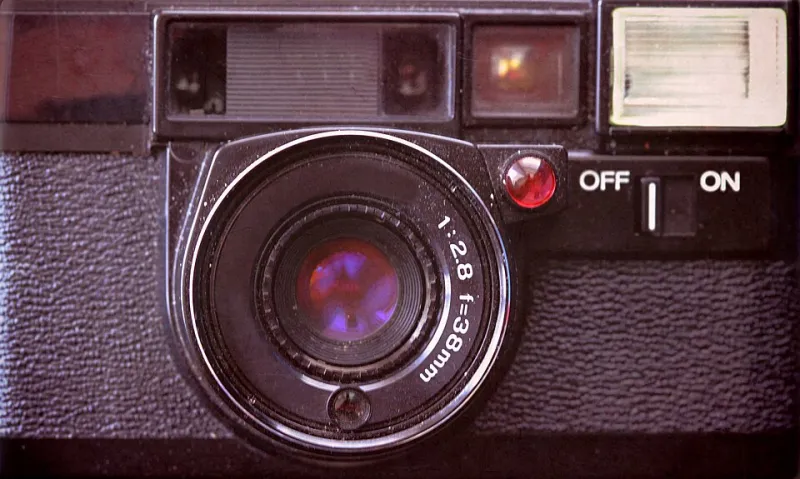
Photo: Pink Sherbet Photography from Utah, USA, CC BY 2.0, via Wikimedia Commons
The call sheet says 07:00, but by 06:40 the camera truck is already awake. Inside, a focus puller — let's call him Dan, because he'd rather not have his name attached to a piece about how hard his job is — is doing the thing that looks like nothing and is actually everything: staring at a monitor, twisting a dial a hair's width, and muttering numbers under his breath.
"Two point four," he says. Then, to no one in particular: "Two point four, and if she leans back on the line, two point six."
This is the job. Not the glamorous bit. The bit that decides whether the star's eyes are razor-sharp or just soft enough to feel wrong on a 65-inch telly in Salford.
The prep nobody photographs
A focus puller — first assistant camera, if you're being formal — is the person responsible for keeping the subject in focus as the camera moves, the actor moves, or both. On paper, it's a technical role. In practice, it's a live negotiation between lens physics, human behaviour and a director's taste for long takes.
Prep starts long before the first shot. Dan and his operator will walk the set, check the blocking, measure distances, and decide where the marks go. They'll look at the lens set and argue — politely — about the sweet spot between shallow depth of field and keeping a moving target sharp. They'll talk to the gaffer about how much light they've got, because a darker set means a wider aperture, which means less room for error.
"Everyone thinks it's about the gear," Dan says, opening a case that looks like it could survive a small war. "It's about knowing what the actor is going to do before they do it. And they don't always know themselves."
That's the bit that doesn't show up in the call sheet. A focus puller learns the cast. Not in a creepy way — in a professional, forensic way. The way an actor pauses before a line. The half-step they take when they're about to turn. The habit of leaning in on the emotional beat. All of it becomes data.
The moving target
On set, the monitor is the truth. Dan stands beside it with a hand on the wheel of a wireless follow-focus unit, eyes flicking between the image and the actors. The shot is a slow push-in on a two-hander in a kitchen. It's the kind of scene that looks easy and isn't: two people, one moving, one still, a lens wide open, and a director who wants to feel the room breathe.
"Mark," says the second AC, and the actor hits it. Dan's hand moves. The image holds.
Then the actor improvises a half-turn. It's not in the rehearsal. It's better than the rehearsal. The operator follows. Dan follows. Nobody says anything, but the frame stays sharp, and the director smiles at the monitor.
That's trust. Not the fluffy kind. The kind built over years of near-misses and saved takes. The actor trusts that they can try something new without being told to "just hit the mark again." The operator trusts that the focus puller will cover the move. And the focus puller trusts that everyone will communicate before the camera rolls, not after.
"You can have all the tech in the world," Dan says later, over a cup of tea that has gone cold. "But if the actor doesn't trust you, they'll play it safe. And safe is boring."
The 2026 kit bag
The tech is changing, though. Remote heads — those robotic camera mounts that let operators work from a distance — are more common on UK sets, especially on rigs where the camera needs to move fast or fit into places a human can't. LED volumes, like the ones at the big stages around London and the growing cluster in the North West, are shifting the way focus pullers work. Instead of chasing daylight, they're dealing with screens that can flicker, and virtual environments that demand a different kind of precision.
Lighter camera rigs are another quiet revolution. Smaller bodies and more compact lens sets mean a focus puller can sometimes work with less support, which sounds like a gift until you realise it also means more handheld work and more movement to track.
"The tools are better," Dan says. "The job is still the job. You're still trying to predict the unpredictable. The only difference is the monitor is sharper and the notes come faster."
He's not nostalgic about it. He likes the new gear. But he's clear-eyed about what it doesn't solve. A remote head can't feel when an actor is about to step out of their mark because they've found something in the scene. An LED volume can't tell you that the lead is going to lean back on the laugh line.
That's still the human bit. The millimetre club.
The last word
At the end of the day, the director calls a wrap on the kitchen scene and the crew starts to reset. Dan checks the last take, makes a note on his phone, and starts breaking down his kit. Tomorrow is a location day in a converted warehouse in East London, which means new marks, new light, new problems.
He doesn't seem worried. He seems like someone who has done this long enough to know that the panic is pointless. The marks will move. The actors will improvise. The lens will be wide open. And he'll be there, hand on the wheel, keeping the story sharp.
"It's not about being invisible," he says. "It's about being reliable. If nobody notices the focus, we've done our job. If they notice it, we haven't."
He picks up his case and heads for the door. The tea is still on the monitor stand, stone cold.